
Sub-Total: $0

Intermittent Fasting: Why It Doesn’t Work for Me (and What I Do Instead)
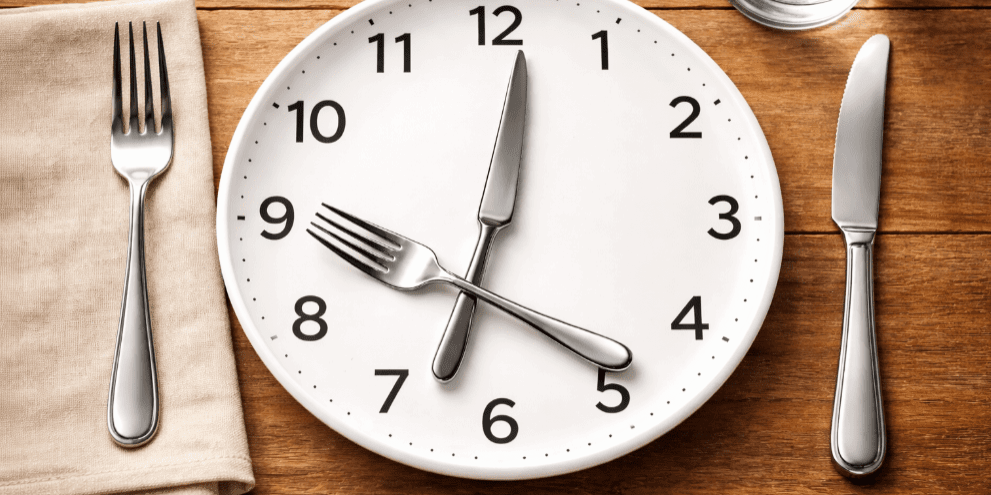
Intermittent fasting (IF) is an eating pattern that cycles between periods of eating and fasting — often by limiting food to a set window each day. It’s everywhere right now, and while it works well for some people, I’ve learned through experience that it’s not the best fit for my body.
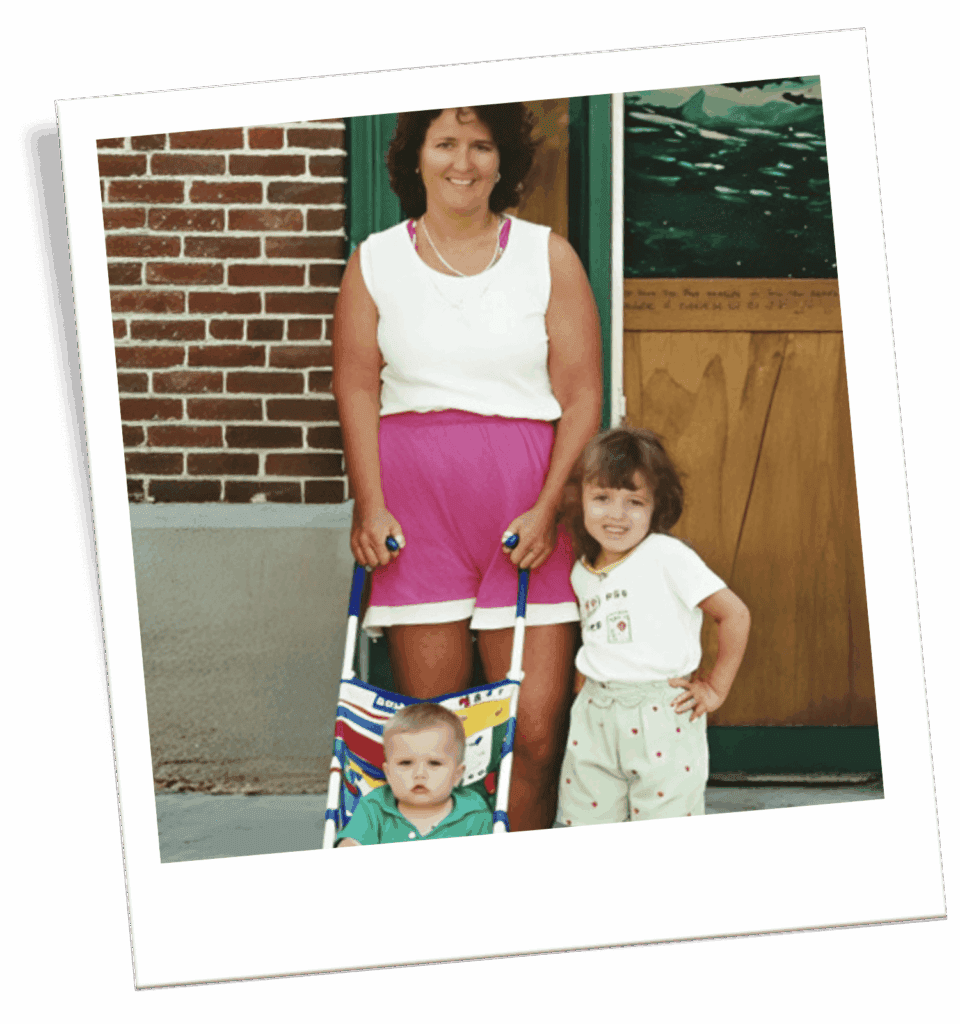
My Personal Story: Years of “Starve and Stuff”
For a long time, my relationship with food followed a painful cycle:
starve → stuff → feel miserable → repeat.
I skipped meals thinking I was being “disciplined.”
I ignored hunger cues thinking that was strength.
And then, inevitably, I’d overeat later — not because I lacked willpower, but because my body was desperate for fuel.
The result?
- low energy
- constant food noise
- poor sleep
- and a lot of guilt around eating
I didn’t need more restriction.
I needed consistent nourishment.
That’s why intermittent fasting — for me — became another version of the same old pattern in a different outfit.
Here’s why it doesn’t work for me, and what I do instead.
Morning Fog & Headaches: I Need Fuel Early

When I delay eating in the morning, I often feel foggy, headachy, and disconnected from my body. Pushing through doesn’t make me productive — it makes me depleted.
Hunger-related headaches and mental fog are well documented and often linked to blood sugar dips, dehydration, and prolonged time without food.
What I do instead
I eat within an hour of waking, and it’s almost always a nutrient-dense smoothie.
This helps:
- stabilize energy
- support mental clarity
- gently “turn on” my metabolism for the day
Think: protein + fiber + color — not perfection.
Nutrient Challenges: Short Eating Windows Don’t Work for My Body
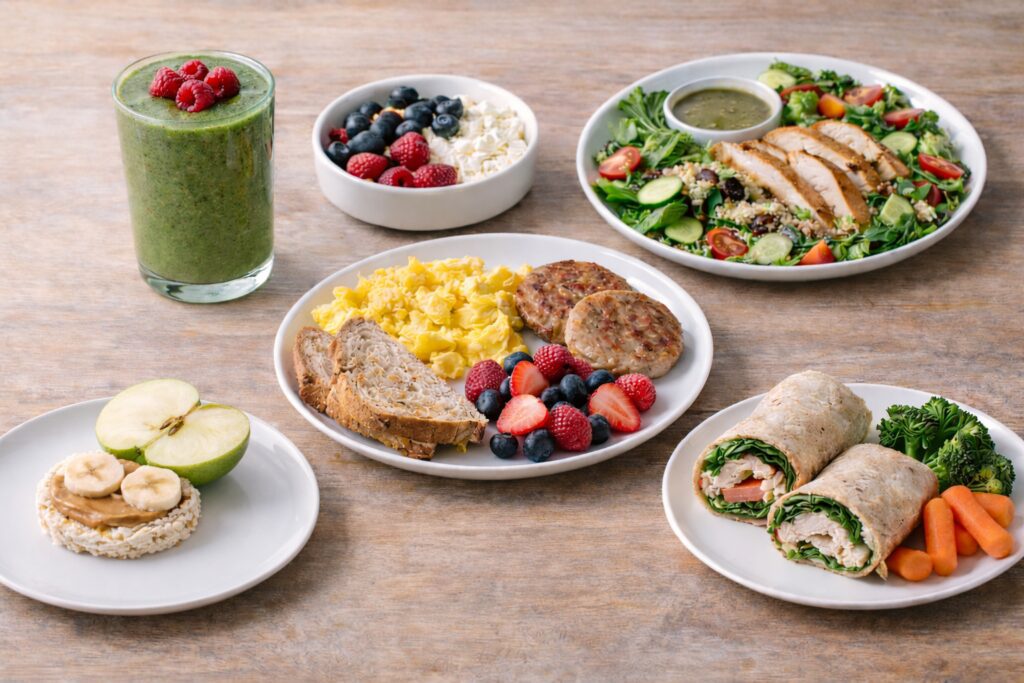
In a compressed eating window, I found it much harder to consistently meet my body’s needs — especially protein, fiber, vitamins, and minerals.
Research shows that some intermittent fasting and time-restricted eating patterns can unintentionally reduce overall micronutrient intake.
What I do instead
I eat about every three hours and include protein and fiber at every meal or snack.
This supports:
- muscle health
- blood sugar balance
- gut health
- and steady energy throughout the day
Instead of cramming nutrition into a short window, I spread it out — and my body responds much better.
The “Breaking the Fast” Overeating Frenzy

This was a big one for me.
By the time my eating window opened, I was often too hungry. Not “ready to eat” hungry — but ravenous. That’s when eating felt chaotic and out of control.
This response isn’t a lack of willpower. Increased hunger is a known physiological response to prolonged restriction, including fasting.
What I do instead
I prevent the frenzy before it starts.
My go-to strategy: a planned “starter meal.”
- protein
- fiber
- water
- eaten seated and slowly
After that, I pause for about 10 minutes before deciding if I want more.
This gives hunger hormones time to settle so I’m choosing food — not reacting to extreme hunger.
Night Eating & Poor Sleep: Late Meals Don’t Love Me Back
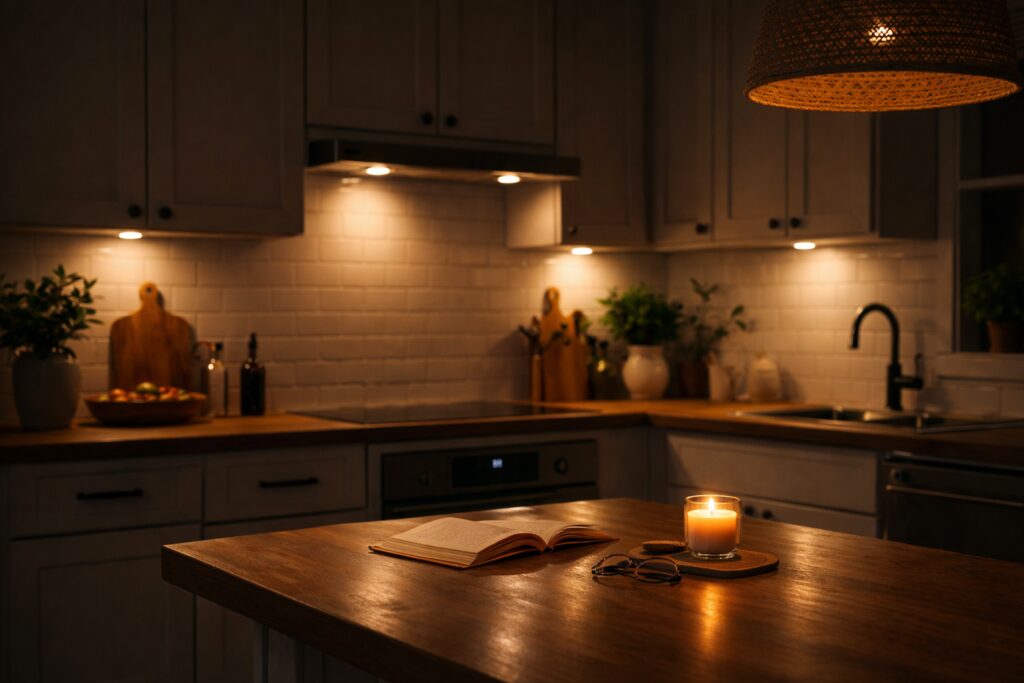
When most of my calories land later in the day, my sleep quality suffers. I notice heavier digestion, restlessness, and less restorative sleep.
Research shows that late-night eating can negatively affect sleep patterns and circadian rhythm.
What I do instead
- I eat nutrient-dense foods earlier in the day
- I close the kitchen about three hours before bedtime
This one habit has made a noticeable difference in how well I sleep and how I feel the next morning.
If You Love Intermittent Fasting
If intermittent fasting helps you feel energized, calm around food, and well-rested — that’s wonderful. Truly.
For others, a more moderate overnight fast (such as 10–12 hours) may provide structure without the stress of skipping breakfast entirely.
If You’re Looking for a More Balanced Way to Eat

If intermittent fasting hasn’t felt great for you — or if you’ve never tried it and aren’t sure it’s for you — you’re not alone, and you’re not doing anything wrong.
The approach I follow now is built around:
- eating earlier
- eating consistently
- eating enough
- and prioritizing protein + fiber throughout the day
If you’re curious what that actually looks like in real life, I’ve put together a balanced, realistic meal plan that reflects everything I shared in this post.
With love and ZERO “hangry” vibes,

